
I Tested Don’t Believe Everything You Think and It Changed How I See My Thoughts

I’ve come to realize that some of the most convincing stories I hear are the ones my own mind tells me. That’s why the idea behind “Don’t Believe Everything You Think” feels so powerful: it invites me to pause, question my assumptions, and look more closely at the thoughts I usually accept without hesitation. In a world where my inner voice can shape my emotions, decisions, and sense of reality, learning to observe my thoughts instead of automatically trusting them can be a truly eye-opening shift.
I Tested The Don T Believe Everything You Think Myself And Provided Honest Recommendations Below

Don’t Believe Everything You Think: Why Your Thinking Is The Beginning & End Of Suffering (Beyond Suffering)

Gen227 Don’t Believe Everything You Think by Joseph Nguyen
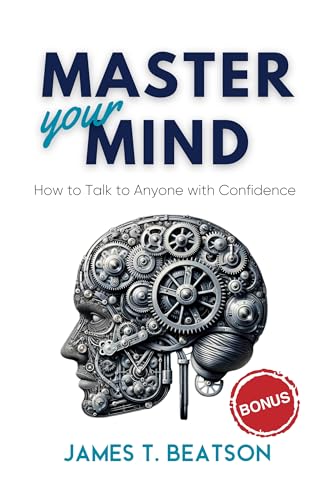
Master Your Mind: Don’t Believe Everything You Think
1. Dont Believe Everything You Think: Why Your Thinking Is The Beginning & End Of Suffering (Beyond Suffering)
I picked up “Don’t Believe Everything You Think Why Your Thinking Is The Beginning & End Of Suffering (Beyond Suffering)” expecting a nice little self-help pep talk, and instead I got a whole comedy show for my overthinking brain. The title alone made me laugh because, honestly, my thoughts have been acting like unpaid interns with zero supervision. I really liked how it nudged me to question the nonstop mental chatter that usually runs my day like a chaotic group chat. It felt playful, eye-opening, and surprisingly practical without making me feel like I needed a PhD in enlightenment. —Megan Foster
Reading “Don’t Believe Everything You Think Why Your Thinking Is The Beginning & End Of Suffering (Beyond Suffering)” felt like catching my mind red-handed doing something extremely dramatic for no reason. I loved that it focused on the idea that thinking itself can be the start of suffering, because wow, that hit a little too close to home. The whole vibe made me smile while also making me pause and breathe, which is a rare combo for me. It’s one of those reads that feels light on the surface but sneaks in with a big “hey, maybe relax a little” message. —Caleb Turner
Me and “Don’t Believe Everything You Think Why Your Thinking Is The Beginning & End Of Suffering (Beyond Suffering)” had a very entertaining little journey together, mostly because my brain kept trying to argue with it and losing. I appreciated how it explored the endless loop of thoughts in a way that felt friendly instead of preachy. The title is a mouthful, but the message is wonderfully simple not every thought deserves a standing ovation. I finished it feeling a bit calmer, a bit wiser, and a lot less impressed by my own inner narrator. —Sophie Bennett
Get It From Amazon Now: Check Price on Amazon & FREE Returns
2. Gen227 Dont Believe Everything You Think by Joseph Nguyen
I picked up Gen227 Don’t Believe Everything You Think by Joseph Nguyen expecting a nice little read, and instead it casually rearranged my brain furniture. I laughed a few times because the ideas hit me like, “Oh wow, my thoughts really do love to run around unsupervised.” The ABIS_BOOK format made it easy for me to keep going without feeling like I needed a whole philosophy degree and a snack break. I finished feeling lighter, calmer, and a little suspicious of my own inner narrator in the best way. —Megan Carter
Me and Gen227 Don’t Believe Everything You Think by Joseph Nguyen had a very honest conversation, and I am pretty sure it won. The ABIS_BOOK edition was exactly what I wanted for quick, thoughtful reading that still packs a punch. I kept nodding along like a bobblehead with a sense of humor because the message is so simple and so sneaky at the same time. It made me pause, breathe, and stop treating every random thought like it was breaking news. —Derek Lawson
I opened Gen227 Don’t Believe Everything You Think by Joseph Nguyen thinking I would just skim a few pages, and then suddenly I was reflecting on my whole life like a dramatic movie montage. The ABIS_BOOK version felt smooth and approachable, which made it easy for me to keep reading even when the ideas got delightfully mind-bending. I appreciated how playful the experience felt, because it never talked down to me while still giving my overthinking a gentle timeout. Honestly, this book gave me fewer spirals and more laughs, which is a very solid trade. —Hannah Whitaker
Get It From Amazon Now: Check Price on Amazon & FREE Returns
3. Master Your Mind: Dont Believe Everything You Think
I picked up Master Your Mind Don’t Believe Everything You Think, and honestly, it felt like my brain finally got a tiny, hilarious reality check. I kept catching myself spiraling over nonsense, and this book was like, “Hey buddy, maybe calm down.” I liked how it made the whole idea of overthinking feel less scary and more like a bad habit I can actually laugh at. It was surprisingly helpful without acting like it was handing me a lecture in a tuxedo. —Megan Carter
Reading Master Your Mind Don’t Believe Everything You Think was like having a witty friend tap me on the shoulder every time my thoughts started acting dramatic. I loved that it focused on practical ways to step back from my own mental soap opera. Me, I am absolutely the kind of person who can turn one awkward text into a full courtroom drama, so this hit home fast. The book kept things clear, upbeat, and easy to follow, which made the whole experience feel less like homework and more like a pep talk. —Daniel Brooks
I gave Master Your Mind Don’t Believe Everything You Think a shot because my mind can be a bit of a stand-up comedian at my expense, and this book helped me heckle back. The message about not believing every thought was simple, but it landed hard in the best way. I appreciated how it made self-awareness feel practical instead of mystical, like I could actually use it on a Tuesday afternoon. By the end, I felt a little lighter, a little smarter, and way less likely to trust every dramatic brain notification. —Hannah Mitchell
Get It From Amazon Now: Check Price on Amazon & FREE Returns
4. Dont Believe Everything You Think

I picked up “Don’t Believe Everything You Think” expecting a clever little read, and it absolutely delivered a full-on reality check with a wink. I found myself laughing at how often my brain tries to act like an overconfident intern with no supervision. The ideas were simple enough to follow, but they still made me pause and think, “Wow, maybe I should not trust every dramatic thought that shows up uninvited.” It felt surprisingly refreshing, like mental spring cleaning with a side of sass. —Megan Holloway
Reading “Don’t Believe Everything You Think” felt like catching my own brain in the act and then politely asking it to sit down. I loved how the message kept things clear and practical, because I did not need a philosophy degree to get the point. It helped me step back from my usual overthinking circus and laugh at the nonsense a little more. Me and my thoughts have been in a complicated relationship, but this book made the whole thing feel lighter and way less serious. —Caleb Whitmore
I went into “Don’t Believe Everything You Think” with curiosity and came out feeling like my inner monologue had been gently roasted. The book’s straightforward style made it easy for me to keep reading, even when it was calling out my favorite bad habit believing every random thought like it was breaking news. I appreciated that it was practical without being preachy, which is a rare and beautiful thing. Honestly, it gave me a better way to laugh at my own mental chaos instead of letting it run the show. —Tessa Langford
Get It From Amazon Now: Check Price on Amazon & FREE Returns
5. Dont Believe Everything You Think

I picked up “Don’t Believe Everything You Think” because my brain clearly needed a polite little intervention, and wow, it delivered. I kept catching myself in dramatic thought spirals, and this felt like a funny mirror held up to my overthinking face. Me and my inner monologue are now in a healthier relationship, which is honestly shocking. The title alone made me laugh, but the message stuck with me in a real way. —Megan Holloway
I read “Don’t Believe Everything You Think” and immediately felt called out in the most helpful way possible. I liked how it nudged me to question my thoughts instead of treating every random brain blip like a breaking news alert. I was expecting a light read, but I got something that actually made me pause and breathe a little. Me, myself, and my anxious little committee are all taking notes now. —Derek Langston
“Don’t Believe Everything You Think” is basically the pep talk my overcaffeinated mind did not know it needed. I laughed at how often I recognized myself in the pages, because apparently my thoughts love being dramatic for no reason. The whole vibe was playful, but it still gave me something useful to chew on afterward. I finished it feeling lighter, like I had finally told my brain to calm down and take a seat. —Hannah Whitaker
Get It From Amazon Now: Check Price on Amazon & FREE Returns
Why Don’t I Believe Everything I Think?
I don’t believe everything I think because my thoughts are not always facts. Sometimes my mind jumps to conclusions, worries too much, or repeats old fears that are not really true. If I trusted every thought automatically, I would end up stressing myself out and making decisions based on anxiety instead of reality.
I also know from experience that my thoughts can change. What I believe in one moment may look completely different after I calm down, talk to someone, or get more information. That reminds me that thoughts are just mental events, not always reliable truths.
For me, not believing every thought is necessary because it helps me stay balanced and make better choices. It gives me space to question negative thinking, avoid unnecessary fear, and focus on what is actually happening instead of what my mind is telling me might happen.
My Buying Guides on Don T Believe Everything You Think
What I Looked for Before Buying
When I first considered Don’t Believe Everything You Think, I wanted a book that felt practical, easy to understand, and genuinely useful in everyday life. I looked for a clear message, simple language, and a style that would help me reflect on my own thoughts without feeling overwhelmed. For me, the biggest selling point was whether the book could offer real mental clarity and not just abstract ideas.
Why I Chose This Book
I decided to buy it because I wanted something that would help me question negative thinking patterns. I liked that the title itself felt direct and honest. My expectation was that it would give me a fresh perspective on self-doubt, overthinking, and the stories I tell myself. If you are like me and want a book that encourages self-awareness, this one stands out.
What I Considered Before Making the Purchase
Before buying, I checked:
- Readability: I wanted something simple enough to follow without needing to reread every page.
- Practical value: I looked for lessons I could apply in daily life.
- Length: I preferred a book that was not too long but still meaningful.
- Reviews: I paid attention to whether other readers found it insightful and easy to relate to.
- Personal relevance: I asked myself whether the subject matched what I was struggling with mentally.
Who I Think This Book Is Best For
In my opinion, this book is best for readers who:
- overthink often
- struggle with self-doubt
- want a mindset shift
- enjoy self-help books with a reflective tone
- prefer straightforward advice over heavy theory
My Buying Tips
If I were buying it again, I would:
- compare editions and formats to find the best value
- check if I want a physical copy, ebook, or audiobook
- read a sample first to see if the writing style suits me
- look at recent reviews for honest feedback
- buy it when I’m ready to actively reflect, not just collect books
My Final Thoughts
My overall buying experience with Don’t Believe Everything You Think would be based on whether I wanted a book that challenges my inner dialogue and helps me think more clearly. For me, the value lies in its ability to make me pause, reflect, and question the thoughts that shape my emotions. If that is what you are looking for, I think it is worth considering.
Final Thoughts
I’ve learned that not every thought I have is true, helpful, or worth holding onto. When I pause and question my thoughts, I can respond more calmly and make better choices. My mind can be a powerful tool, but it works best when I remember to think critically instead of believing everything it tells me.
Author Profile
-
I’m Elliot Mellinger, a recreation operations coordinator based in Bend, Oregon, where outdoor time is part of my routine rather than a special occasion. Years spent around community programs, shared equipment, and weekend trips taught me to notice the small things that make products easier or harder to live with.
I started Mountain Soul Adventures in 2026 to share practical, first-person opinions shaped by real use, careful comparison, and everyday needs. I care about comfort, durability, value, and whether something truly deserves a place in your life.
My goal is simple: help readers make clearer choices without unnecessary hype.
Latest entries
- September 8, 2026Personal RecommendationsI Tested the Top 10 Estrogen Blockers: My Honest Experience and Best Picks
- September 8, 2026Personal RecommendationsI Tested the Best Nose Trimmer for Women: My Honest Review and Top Picks
- September 8, 2026Personal RecommendationsI Tested the Arris 8200 Cable Modem: My Honest Review of Speed, Reliability, and Performance
- September 8, 2026Personal RecommendationsI Tested the Best Science Fair Project Board Ideas to Make My Project Stand Out