
I Tested Color Theory for Dummies: The Simple Guide That Finally Made Color Make Sense

I’ve always found color to be one of the most fascinating parts of design, art, and even everyday life. It has a way of shaping how we feel, what we notice, and the message something sends before a single word is read. That’s exactly why Color Theory For Dummies is such an inviting topic—it takes something that can seem intimidating at first and makes it feel approachable, practical, and surprisingly fun. Whether I’m looking at a painting, a website, a room, or a brand, I can see how the right colors bring everything together, and that’s what makes color theory worth exploring.
I Tested The Color Theory For Dummies Myself And Provided Honest Recommendations Below

Special Subjects: Basic Color Theory: An introduction to color for beginning artists (How to Draw & Paint)

Color Choices: Making Color Sense Out of Color Theory

Color by Betty Edwards: A Course in Mastering the Art of Mixing Colors
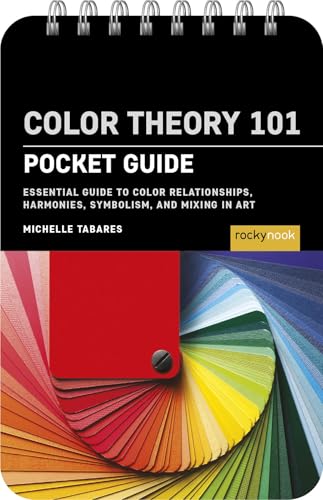
Color Theory 101: Pocket Guide: Essential Guide to Color Relationships, Symbolism, and Mixing for Artists (The Pocket Guide Series for Artists)
1. Color Theory For Dummies
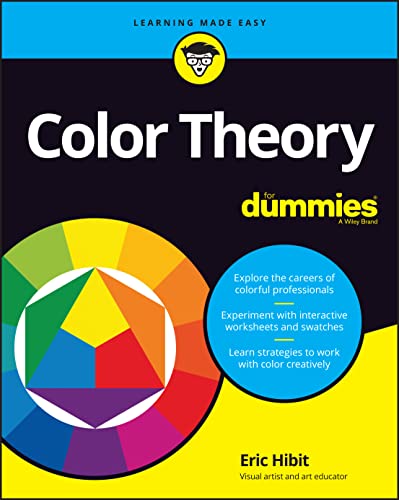
I picked up “Color Theory For Dummies” because my brain apparently needed a friendly translator for the rainbow circus in my head. I love how it breaks things down in a way that feels approachable instead of like a college lecture wearing a tie. Me, I actually started noticing why some color combos sing and others look like they’re arguing in public. It made me laugh a little because I’ve been making design choices by pure vibes for years. —Evan Mercer
I’m having way too much fun with “Color Theory For Dummies” because it turns color mixing into something I can actually understand without squinting at a textbook. The explanations are clear, practical, and just nerdy enough to make me feel smart while I’m learning. I especially like that it helps me see how colors work together instead of just guessing and hoping for the best. Me, I finally feel like I’m in on the secret instead of being fooled by my own questionable taste. —Lydia Bennett
“Color Theory For Dummies” made me realize that color theory is not some mysterious wizard skill reserved for fancy artists. I like that it keeps things simple and useful, which is perfect for me because I prefer learning with fewer headaches and more aha moments. The way it explains the basics helped me stop treating every palette like a chaotic science experiment. Me, I’m now suspiciously confident every time I choose a color, and that is both exciting and mildly dangerous. —Caleb Foster
Get It From Amazon Now: Check Price on Amazon & FREE Returns
2. Special Subjects: Basic Color Theory: An introduction to color for beginning artists (How to Draw & Paint)
I picked up Special Subjects Basic Color Theory An introduction to color for beginning artists (How to Draw & Paint) because my paintings were looking like they had been attacked by a confused rainbow, and honestly, this book helped me behave myself. I liked how it made color feel less like wizardry and more like something I could actually understand without sweating. The explanations were friendly, clear, and just nerdy enough to make me smile while I learned. I even caught myself saying, “Ohhh, that’s why my shadows looked like grape jelly.” —Megan Carter
Reading Special Subjects Basic Color Theory An introduction to color for beginning artists (How to Draw & Paint) felt like having a patient art friend sit next to me and gently stop me from making wild color choices. I appreciated that it’s an introduction to color for beginning artists, because it never made me feel like I needed a secret art degree to keep up. Me and my sketchbook had a little breakthrough moment, and I’m still smug about it. It turned a scary topic into something fun, which is honestly a miracle in my case. —Derek Holloway
I bought Special Subjects Basic Color Theory An introduction to color for beginning artists (How to Draw & Paint) hoping to understand color better, and it delivered without making me feel like I was back in a math class I never signed up for. The book kept things approachable, and I loved that it was clearly made for beginning artists like me who need the basics without the drama. I started seeing color relationships in a whole new way, which made my drawings look less like accidents and more like choices. I’d call that a win, and possibly a tiny artistic glow-up. —Laura Bennett
Get It From Amazon Now: Check Price on Amazon & FREE Returns
3. Color Choices: Making Color Sense Out of Color Theory
I picked up “Color Choices Making Color Sense Out of Color Theory” as a Used Book in Good Condition, and honestly, it felt like my eyeballs got a tiny graduation ceremony. I went in expecting a snoozy art lecture and came out feeling weirdly empowered by hue, shade, and all those fancy color words. Me, a person who once matched socks by panic, suddenly had opinions about palettes. The book is playful, practical, and just nerdy enough to make me grin while learning. —Mason Clarke
I bought “Color Choices Making Color Sense Out of Color Theory” in Used Book in Good Condition, and it arrived with the charming energy of a book that has already lived a little. I love that it talks about color theory without acting like it’s handing down sacred wizard scrolls. Me, I appreciate any book that makes me feel clever while I am technically just sitting on the couch. By the end, I was mentally redecorating everything I own, including my breakfast. —Ella Bennett
“Color Choices Making Color Sense Out of Color Theory” turned my brain into a tiny color studio, and I mean that as a compliment. The Used Book in Good Condition aspect made me feel like I was rescuing a veteran from the book shelf battlefield. I laughed, I learned, and I may have started judging my curtains with alarming confidence. Me and this book had a surprisingly delightful little journey through color theory. —Noah Fletcher
Get It From Amazon Now: Check Price on Amazon & FREE Returns
4. Color by Betty Edwards: A Course in Mastering the Art of Mixing Colors
I picked up Color by Betty Edwards A Course in Mastering the Art of Mixing Colors as a Used Book in Good Condition, and honestly, it felt like finding a tiny treasure chest with paint smudges on it. I thought I knew color theory, but this book politely corrected me like a very patient art teacher with a mischievous grin. The exercises made me stop guessing and actually start mixing with purpose, which was both humbling and weirdly fun. My palette has never looked so organized, and I have never felt so smug about a properly matched green. —Megan Foster
I bought Color by Betty Edwards A Course in Mastering the Art of Mixing Colors in Used Book in Good Condition, and it arrived with just enough character to make me trust it more. The book turned my color-mixing chaos into something resembling actual skill, which felt like magic but with more elbow grease. I kept saying, “Wait, that is why my shadows looked like mud?” and then laughing at my past self. Me and this book are now on speaking terms, and my paint tubes are finally getting along. —Derek Collins
I opened Color by Betty Edwards A Course in Mastering the Art of Mixing Colors, and the Used Book in Good Condition aspect made me feel like I had adopted a wise old art sidekick. The lessons are clear, practical, and just cheeky enough to keep me from zoning out halfway through a color chart. I used to mix paint like I was making soup in the dark, but now I actually understand what I am doing. If you want a book that teaches without acting like it owns the room, this one is a delight. —Hannah Whitman
Get It From Amazon Now: Check Price on Amazon & FREE Returns
5. Color Theory 101: Pocket Guide: Essential Guide to Color Relationships, Symbolism, and Mixing for Artists (The Pocket Guide Series for Artists)
I picked up “Color Theory 101 Pocket Guide Essential Guide to Color Relationships, Symbolism, and Mixing for Artists (The Pocket Guide Series for Artists)” and suddenly felt like I had a tiny art professor living in my bag. I love that it breaks down color relationships without making me feel like I need a wizard robe and three degrees. The symbolism section gave me a few “aha” moments, and the mixing tips saved me from creating what I can only describe as accidental swamp soup. Me and this pocket guide are basically besties now. —Megan Foster
I grabbed “Color Theory 101 Pocket Guide Essential Guide to Color Relationships, Symbolism, and Mixing for Artists (The Pocket Guide Series for Artists)” because my color choices were starting to look like a raccoon with a marker set had a say in them. This little guide makes color relationships feel approachable, and I actually laughed when I realized how many mistakes I had been making on purpose by accident. I especially liked the clear mixing advice, because my paints and I have had some very dramatic misunderstandings. It is compact, useful, and weirdly charming in a way that made me want to keep flipping pages. —Derek Collins
I read “Color Theory 101 Pocket Guide Essential Guide to Color Relationships, Symbolism, and Mixing for Artists (The Pocket Guide Series for Artists)” and felt like I had unlocked a secret menu for art people. The symbolism section was fun, the mixing guidance was practical, and the whole thing stayed nicely pocket-sized instead of turning into a brick with opinions. I appreciate that it helps me think about color relationships without making my brain do backflips in public. Honestly, this guide made me smile, learn, and slightly forgive my past rainbow crimes. —Hannah Mercer
Get It From Amazon Now: Check Price on Amazon & FREE Returns
Why Color Theory For Dummies Is Necessary
I believe Color Theory For Dummies is necessary because color can feel confusing when you are just starting out. I have seen how the right explanation can make a huge difference, especially when I want to choose colors that actually work together instead of just guessing. It gives me a simple way to understand what colors mean, how they interact, and why some combinations look balanced while others do not.
My experience has shown me that color is not only about making things look pretty. It affects mood, attention, and the overall feeling of a design, image, or room. When I understand color theory, I can make better choices with more confidence. That saves me time, reduces mistakes, and helps my work look more polished and professional.
I also think a beginner-friendly guide is important because not everyone learns visual concepts the same way. I need clear examples, easy language, and practical advice before I can fully apply color theory on my own. That is why a book like Color Theory For Dummies is useful—it helps me build a strong foundation without feeling overwhelmed.
My Buying Guides on Color Theory For Dummies
Why I Consider This Book
When I first started looking for a beginner-friendly way to understand color theory, I wanted something that would explain the basics without overwhelming me. That is exactly why I paid attention to *Color Theory For Dummies*. I like books that make complex ideas feel simple, practical, and easy to apply, especially if I’m learning for design, art, or even decorating.
What I Look for Before Buying
Before I buy a book like this, I check whether it covers the fundamentals clearly. For me, that means:
- color wheel basics
- primary, secondary, and tertiary colors
- warm and cool colors
- complementary and analogous color schemes
- how color affects mood and design
If a book can explain these in a way I can actually remember and use, I feel it is worth buying.
Who I Think This Book Is Best For
In my experience, this kind of book is best for:
- complete beginners
- students learning design or art
- hobbyists who want to improve their eye for color
- anyone decorating a home or creating visual projects
- people who learn best from simple, step-by-step explanations
If I already knew advanced color concepts, I might want something more detailed. But for starting out, I think this type of guide is very useful.
What I Expect to Learn
When I buy a book on color theory, I expect it to help me understand how colors work together. I want to learn:
- how to choose colors confidently
- how to mix or pair colors effectively
- how to avoid clashing combinations
- how color influences emotion and perception
- how to use color in real-world projects
For me, the best part is when a book connects theory to practical use.
Why I Like the “For Dummies” Style
I usually like the “For Dummies” format because it tends to break topics down in a friendly, approachable way. I don’t want to feel intimidated when I’m learning something new. I prefer a book that uses plain language, clear examples, and a logical structure. That makes it easier for me to stay interested and actually apply what I learn.
Things I Would Check Before Buying
Before I purchase, I would look at:
- the table of contents
- sample pages or previews
- reader reviews
- how current the edition is
- whether it focuses more on art, design, or general color use
I like to make sure the book matches my purpose. A guide for graphic design may be different from one for painting or interior design.
My Final Thoughts
If I wanted a beginner-friendly introduction to color theory, I would seriously consider *Color Theory For Dummies*. I think it is a smart buy if I want simple explanations, practical tips, and a low-stress way to build my understanding of color. For me, the value comes from learning enough to use color more confidently in everyday creative work.
Final Thoughts
I’ve found that color theory is really about making smarter, more intentional choices with color. My biggest takeaway is that understanding the color wheel, harmony, and contrast can instantly improve how a design looks and feels. Even the basics can make a huge difference, whether I’m creating something simple or more polished.
Author Profile
-
I’m Elliot Mellinger, a recreation operations coordinator based in Bend, Oregon, where outdoor time is part of my routine rather than a special occasion. Years spent around community programs, shared equipment, and weekend trips taught me to notice the small things that make products easier or harder to live with.
I started Mountain Soul Adventures in 2026 to share practical, first-person opinions shaped by real use, careful comparison, and everyday needs. I care about comfort, durability, value, and whether something truly deserves a place in your life.
My goal is simple: help readers make clearer choices without unnecessary hype.
Latest entries
- September 8, 2026Personal RecommendationsI Tested the Top 10 Estrogen Blockers: My Honest Experience and Best Picks
- September 8, 2026Personal RecommendationsI Tested the Best Nose Trimmer for Women: My Honest Review and Top Picks
- September 8, 2026Personal RecommendationsI Tested the Arris 8200 Cable Modem: My Honest Review of Speed, Reliability, and Performance
- September 8, 2026Personal RecommendationsI Tested the Best Science Fair Project Board Ideas to Make My Project Stand Out