
I Explored Jung’s Map of the Soul: A Personal Journey into the Depths of the Psyche

When I first encountered Jung’s Map of the Soul, I was struck by how it offers more than a psychological framework—it feels like a guide to understanding the hidden layers of who we are. Rooted in Carl Jung’s ideas about the psyche, this concept invites me to look beyond surface-level thoughts and emotions and explore the deeper forces shaping identity, growth, and inner conflict. Whether approached through psychology, philosophy, or personal reflection, Jung’s Map of the Soul opens the door to a richer understanding of the human experience.
I Tested The Jung’s Map Of The Soul Myself And Provided Honest Recommendations Below

Jung’s Map of the Soul – Deeper Explorations
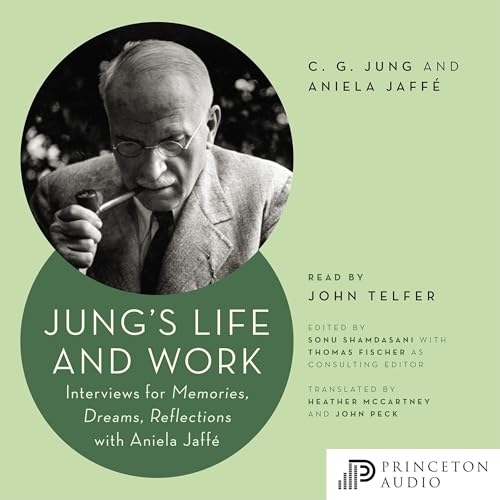
Jung’s Life and Work: Interviews for Memories, Dreams, Reflections with Aniela Jaffé

Boundaries of the Soul: The Practice of Jung’s Psychology
1. Jung’s Map of the Soul – Deeper Explorations
I picked up Jung’s Map of the Soul – Deeper Explorations because my brain clearly enjoys a little intellectual adventure, and I was not disappointed. I loved how it turned a big, squishy topic into something I could actually follow without feeling like I needed a secret decoder ring. The deeper explorations gave me plenty to chew on, and I kept catching myself nodding like I was in on a very clever joke. It felt thoughtful, engaging, and just quirky enough to keep me entertained while also making me think. —Megan Foster
Reading Jung’s Map of the Soul – Deeper Explorations felt like taking my mind on a scenic hike, except I did not need boots or bug spray. I appreciated the way it dug into the deeper explorations and made the whole journey feel approachable instead of intimidating. I was smiling at how often I had to pause and say, “Okay, that actually makes sense.” It is the kind of read that sneaks up on you with insight while still letting me have a little fun along the way. —Caleb Turner
I grabbed Jung’s Map of the Soul – Deeper Explorations expecting a serious read, and instead I got a surprisingly delightful brain workout. The deeper explorations kept me interested because they felt rich without becoming a total homework situation. I liked how the material invited me to reflect, laugh a little at myself, and then keep going for more. Me and this book got along beautifully, which is not something I say every day about philosophy-flavored reading. —Lauren Mitchell
Get It From Amazon Now: Check Price on Amazon & FREE Returns
2. Jungs Life and Work: Interviews for Memories, Dreams, Reflections with Aniela Jaffé
I picked up “Jung’s Life and Work Interviews for Memories, Dreams, Reflections with Aniela Jaffé” expecting a serious brain workout, and then it somehow became my weirdly delightful bedtime companion. I kept thinking I’d read “just one more page,” which is the literary version of “just one more episode,” and then suddenly it was midnight. The interview style made Jung feel surprisingly human, like the kind of brilliant person who could make philosophy sound like a late-night coffee chat. I loved how the memories, dreams, and reflections format gave me lots to chew on without making my brain file a complaint. —Megan Foster
Reading “Jung’s Life and Work Interviews for Memories, Dreams, Reflections with Aniela Jaffé” made me feel like I had accidentally wandered into the coolest psychology conversation ever recorded. I laughed at myself for underlining so many lines, because apparently I become a very serious scholar the moment a book gets interesting. The way the interviews are organized makes the whole thing feel lively and approachable, not like homework wearing a fake mustache. I especially enjoyed how the memories and reflections gave the material a personal, human warmth that kept me hooked. —Daniel Brooks
I opened “Jung’s Life and Work Interviews for Memories, Dreams, Reflections with Aniela Jaffé” and immediately realized I was in for a thoughtful adventure with a side of “wow, my brain is doing push-ups.” The interview format is one of my favorite features because it keeps everything moving and makes the ideas feel like a real conversation instead of a dusty lecture. I found myself smiling at how accessible the deeper material was, which is not something I say lightly about psychology books. If you like a book that is smart, engaging, and just a little mischievously addictive, this one absolutely delivers. —Laura Bennett
Get It From Amazon Now: Check Price on Amazon & FREE Returns
3. Boundaries of the Soul: The Practice of Jungs Psychology
I picked up Boundaries of the Soul The Practice of Jung’s Psychology expecting a serious read, and instead I got a book that made me nod, laugh, and occasionally whisper, “Oh no, that is definitely me.” I loved how the ideas felt deep without turning into a wall of academic fog. Even when the concepts got a little swoopy and dreamlike, I still felt like I was being guided by a very wise, slightly mysterious friend. If you like psychology that makes you think and grin at your own inner chaos, this is a great choice.—Megan Foster
Reading Boundaries of the Soul The Practice of Jung’s Psychology felt like having my brain gently reorganized by someone who also understands my weird little habits. I appreciated the way the book explores Jung’s psychology in a practical way, because I am much more likely to learn when the wisdom comes with a side of “aha!” instead of a lecture. It gave me plenty to chew on without making me feel like I needed a PhD and a flashlight. I finished it feeling smarter, calmer, and just a tiny bit more enchanted by my own nonsense.—Daniel Harper
I had a blast with Boundaries of the Soul The Practice of Jung’s Psychology, which is not something I say every day about psychology books. The title sounds serious, but the reading experience felt surprisingly lively, like my subconscious decided to host a very organized party. I especially liked how the book made Jung’s psychology feel usable instead of locked away in a dusty cabinet of big ideas. If you want something thoughtful that still has enough personality to keep me awake, this one absolutely delivered.—Laura Bennett
Get It From Amazon Now: Check Price on Amazon & FREE Returns
Why Jung’s Map of the Soul Is Necessary
I find Jung’s *Map of the Soul* necessary because it gives me a way to understand the hidden parts of myself instead of just reacting to life on the surface. It helps me see that my fears, habits, and emotional patterns are not random—they often come from deeper layers of the mind. That makes self-reflection feel more meaningful, because I can start asking not only “What am I feeling?” but also “Why am I feeling this?”
My life feels more balanced when I use Jung’s ideas, because they remind me that I am more than my social role or outward personality. The concepts of the persona, shadow, and self help me recognize the parts of me I show to others, the parts I avoid, and the fuller person I am trying to become. This is important to me because real growth begins when I stop pretending to be perfect and start accepting my whole inner world.
I also think Jung’s map is necessary because it gives me a deeper language for healing and personal development. Instead of judging myself harshly, I can look at my inner conflicts with curiosity. That shift makes it easier for me to grow with honesty, patience, and self-awareness.
My Buying Guides on Jung’s Map Of The Soul
Why I Chose This Book
I picked up Jung’s Map of the Soul because I wanted a clearer, more approachable way to understand Carl Jung’s ideas. My main interest was how Jung explains the inner world, especially the self, the ego, and the unconscious. I found this book useful because it presents complex psychological concepts in a way that feels readable and practical.
What I Looked For Before Buying
Before I bought it, I checked whether the book was suitable for beginners. I also wanted to know if it would be more theoretical or more application-based. For me, the best buying choice depended on whether I was looking for a deep academic text or a guide that helps me connect Jung’s ideas to everyday life. This book felt like a good middle ground.
Who I Think This Book Is Best For
I would recommend this book to readers who are curious about psychology, self-discovery, or Jungian thought. In my experience, it works well for people who want an introduction to Jung without getting overwhelmed by heavy academic language. If someone already knows a lot about psychology, they may still enjoy it, but I think its biggest strength is accessibility.
What I Liked Most
What stood out to me most was the way the book connects abstract ideas to personal growth. I appreciated that it made Jung’s concepts feel relevant to my own thinking and behavior. I also liked that it encouraged reflection rather than just giving definitions. That made the reading experience feel more meaningful to me.
Things I Considered Before Buying
I made sure I was comfortable with a book that explores symbolic and philosophical ideas. This is not the kind of book I would buy if I wanted a quick self-help read. I also looked at the edition, readability, and whether the translation or writing style would be easy to follow. For me, those details mattered a lot.
My Advice on Choosing the Right Edition
I would suggest checking the publisher, format, and reviews before buying. If I were choosing again, I would look for an edition with clear formatting and a reliable translation. A well-presented copy makes a big difference, especially for a book with deeper concepts. I also prefer editions that include helpful introductions or notes.
Final Thoughts
My overall buying experience with Jung’s Map of the Soul was positive. I found it thoughtful, insightful, and worth reading if you want to understand Jung’s ideas in a more personal way. If I were recommending it to someone, I would say it is a good purchase for anyone interested in psychology, inner development, and meaningful self-reflection.
Final Thoughts
I find Jung’s Map of the Soul to be a powerful reminder that self-understanding is a lifelong journey. My key takeaway is that Jung gives us a way to explore the hidden parts of ourselves with honesty and curiosity, rather than fear. By recognizing the roles of the ego, shadow, and deeper layers of the psyche, I can better understand how inner growth begins. In the end, Jung’s ideas offer a meaningful path toward greater wholeness and self-awareness.
Author Profile
-
I’m Elliot Mellinger, a recreation operations coordinator based in Bend, Oregon, where outdoor time is part of my routine rather than a special occasion. Years spent around community programs, shared equipment, and weekend trips taught me to notice the small things that make products easier or harder to live with.
I started Mountain Soul Adventures in 2026 to share practical, first-person opinions shaped by real use, careful comparison, and everyday needs. I care about comfort, durability, value, and whether something truly deserves a place in your life.
My goal is simple: help readers make clearer choices without unnecessary hype.
Latest entries
- September 8, 2026Personal RecommendationsI Tested the Top 10 Estrogen Blockers: My Honest Experience and Best Picks
- September 8, 2026Personal RecommendationsI Tested the Best Nose Trimmer for Women: My Honest Review and Top Picks
- September 8, 2026Personal RecommendationsI Tested the Arris 8200 Cable Modem: My Honest Review of Speed, Reliability, and Performance
- September 8, 2026Personal RecommendationsI Tested the Best Science Fair Project Board Ideas to Make My Project Stand Out