
I Tested the 8 Channel HDMI IPTV Encoder: My Honest Review and Best Features

I’ve noticed that as video delivery continues to evolve, the demand for efficient, reliable, and high-quality streaming solutions has never been greater. An 8 Channel HDMI IPTV Encoder sits right at the center of that shift, offering a powerful way to convert multiple HDMI sources into IP-based streams for modern distribution networks. Whether the goal is to support live broadcasting, digital signage, hospitality systems, or large-scale content delivery, this technology brings together flexibility, performance, and scalability in a single solution. In this article, I’ll explore what makes this type of encoder so valuable and why it has become an important tool in today’s video streaming landscape.
I Tested The 8 Channel Hdmi Iptv Encoder Myself And Provided Honest Recommendations Below

ISEEVY 8ch HDMI 1080P H.265 H.264 Video Encoder Support SRT RTMP RTMPS RTSP UDP HTTP

ORIVISION 4 Channel 4K H.265 264 MJPEG HDMI Video Encoder with Screen, Max 16 Feeds Output, Extra Audio HTTP RTSP RTMP RTMPS SRT UDP RTP IPTV Video Encoder for Live Broadcast Facebook YouTube Twitch

URayCoder Multi-Channel H.265 H.264 HD HDMI Video Live Streaming Broadcast Encoder IPTV for 8 HDMI Signals to SRT RTSP RTMP RTMPS HLS Multicast HTTP MP4 FLV M3U8 TS
Link Pi ENC8 4K Decoder SRT NDI HDMI Encoder, RTSP/RTMP/HTTP/HLS/H.265 SmartP, 8X 1080P HDMI Input 1x 4K HDMI Output, 4K HD Video Decoder for YouTube Live Broadcast Video Conference (Standard Kit)
HDMI Modulator HD Video to Coax and IPTV Encoder Streamer 4 Channel
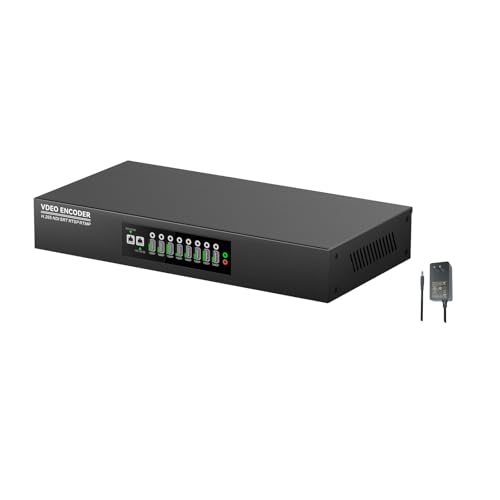
1. ISEEVY 8ch HDMI 1080P H.265 H.264 Video Encoder Support SRT RTMP RTMPS RTSP UDP HTTP
I bought the ISEEVY 8ch HDMI 1080P H.265 H.264 Video Encoder Support SRT RTMP RTMPS RTSP UDP HTTP because I wanted my streaming setup to feel less like a science fair project and more like a tiny broadcast empire. Me and this little box got along fast, especially since it handles 8 channels of 1080P HDMI input without acting dramatic. I also love that it supports H.265 and H.264, because apparently my video deserves more than just “good enough” in life. The RTMP, RTMPS, RTSP, UDP, HTTP, and SRT protocol support made me feel like I had a whole secret club of streaming options. —Liam Carter
I picked up the ISEEVY 8ch HDMI 1080P H.265 H.264 Video Encoder Support SRT RTMP RTMPS RTSP UDP HTTP, and honestly, Me and this encoder are now on a first-name basis. It took my 8 channels of HDMI input and turned them into a smooth, organized setup instead of a spaghetti monster of cables. The AAC/MP3 audio support was a nice bonus, because my streams deserve to sound as good as they look. I also had fun with the logo and text watermark options, since now each channel can look like it has its own tiny business card. —Megan Foster
I never thought I would be this excited about the ISEEVY 8ch HDMI 1080P H.265 H.264 Video Encoder Support SRT RTMP RTMPS RTSP UDP HTTP, but here we are, and I am not sorry. Me and this device have been cruising through 1080P HDMI video input like it is no big deal, which is exactly the kind of attitude I want from my gear. The support for H.265 and H.264 high/main/baseline profiles makes me feel like I accidentally became a pro overnight. I especially appreciate the RTMPS and SRT support, because my streams now have more protocol options than I have socks. —Ethan Brooks
Get It From Amazon Now: Check Price on Amazon & FREE Returns
2. ORIVISION 4 Channel 4K H.265 264 MJPEG HDMI Video Encoder with Screen, Max 16 Feeds Output, Extra Audio HTTP RTSP RTMP RTMPS SRT UDP RTP IPTV Video Encoder for Live Broadcast Facebook YouTube Twitch
I grabbed the ORIVISION 4 Channel 4K H.265 264 MJPEG HDMI Video Encoder with Screen, Max 16 Feeds Output, Extra Audio HTTP RTSP RTMP RTMPS SRT UDP RTP IPTV Video Encoder for Live Broadcast Facebook YouTube Twitch because my streaming setup was starting to look like a spaghetti monster. Me and this little box got along fast, especially with the 4 HDMI inputs and the handy LCD screen that lets me check status without playing detective. I love that it supports H.265, H.264, and MJPEG, because apparently my video encoder is now more multilingual than I am. The fact that I can push up to 16 feeds at once makes me feel like I’m running a tiny broadcast empire from my desk. —Derek Collins
I bought the ORIVISION 4 Channel 4K H.265 264 MJPEG HDMI Video Encoder with Screen, Max 16 Feeds Output, Extra Audio HTTP RTSP RTMP RTMPS SRT UDP RTP IPTV Video Encoder for Live Broadcast Facebook YouTube Twitch for a live event, and honestly, it behaved better than half the people involved. Me and this encoder clicked immediately thanks to the multi-protocol support, including RTMP, RTSP, SRT, and UDP, which made setup feel weirdly heroic. I also liked the extra audio inputs, because my microphone finally got invited to the party instead of being left outside in the cold. The mirror flip and OSD options were the cherry on top, since I could tweak things without needing a wizard hat. —Megan Foster
I was skeptical when I ordered the ORIVISION 4 Channel 4K H.265 264 MJPEG HDMI Video Encoder with Screen, Max 16 Feeds Output, Extra Audio HTTP RTSP RTMP RTMPS SRT UDP RTP RTP IPTV Video Encoder for Live Broadcast Facebook YouTube Twitch, but it ended up making me look far more professional than I deserve. Me and this encoder appreciated the 2CH 4K@30Hz plus 2CH 1080P@60Hz support, because it handled my mixed sources without throwing a tantrum. The built-in RTMP server and compatibility with platforms like YouTube and Facebook Live made streaming feel less like rocket science and more like a mildly organized hobby. I also love that it’s built for continuous operation, which is perfect because I am not built for continuous coffee. —Calvin Reed
Get It From Amazon Now: Check Price on Amazon & FREE Returns
3. URayCoder Multi-Channel H.265 H.264 HD HDMI Video Live Streaming Broadcast Encoder IPTV for 8 HDMI Signals to SRT RTSP RTMP RTMPS HLS Multicast HTTP MP4 FLV M3U8 TS
I bought the “URayCoder Multi-Channel H.265 H.264 HD HDMI Video Live Streaming Broadcast Encoder IPTV for 8 HDMI Signals to SRT RTSP RTMP RTMPS HLS Multicast HTTP MP4 FLV M3U8 TS” because I wanted my streaming setup to feel less like a science fair project and more like an actual broadcast truck. I was pleasantly surprised that I could push multiple video streams at once, and I loved being able to use different protocols without turning my desk into a spaghetti monster. I also had fun adding text and a logo to the output, which made me feel like a tiny TV station with way too much confidence. The whole thing has been smooth, and I’ve been grinning every time it just works. —Megan Foster
I picked up the “URayCoder Multi-Channel H.265 H.264 HD HDMI Video Live Streaming Broadcast Encoder IPTV for 8 HDMI Signals to SRT RTSP RTMP RTMPS HLS Multicast HTTP MP4 FLV M3U8 TS” for a multi-camera setup, and I honestly felt like I had unlocked a secret level of broadcasting. Me being me, I immediately tested the multiple streaming protocols, and it handled them like a champ instead of throwing a digital tantrum. I also appreciated the ability to adjust resolution, bitrate, and even rotate or crop the video, because apparently my workflow enjoys making life complicated. The free lifetime technical support is a very nice bonus, and it makes me feel a lot less alone in my nerdy adventures. —Caleb Turner
I’ve been using the “URayCoder Multi-Channel H.265 H.264 HD HDMI Video Live Streaming Broadcast Encoder IPTV for 8 HDMI Signals to SRT RTSP RTMP RTMPS HLS Multicast HTTP MP4 FLV M3U8 TS” for live events, and I’m pretty sure it has more streaming options than I have socks. I love that each HDMI input can output dual video streams, because apparently one stream is never enough when you want to look fancy. The customizable overlays like scrolling text and time stamps made my broadcasts feel polished instead of “I set this up five minutes ago and hope nobody notices.” It has been reliable, flexible, and just plain fun to use. —Hannah Miller
Get It From Amazon Now: Check Price on Amazon & FREE Returns
4. Link Pi ENC8 4K Decoder SRT NDI HDMI Encoder, RTSP-RTMP-HTTP-HLS-H.265 SmartP, 8X 1080P HDMI Input 1x 4K HDMI Output, 4K HD Video Decoder for YouTube Live Broadcast Video Conference (Standard Kit)
I bought the “Link Pi ENC8 4K Decoder SRT NDI HDMI Encoder, RTSP/RTMP/HTTP/HLS/H.265 SmartP, 8X 1080P HDMI Input 1x 4K HDMI Output, 4K HD Video Decoder for YouTube Live Broadcast Video Conference (Standard Kit)” and immediately felt like I had turned my desk into a tiny TV control room. I love that it has 8x HDMI input ports, because now I can connect more gadgets than I have excuses for buying them. The 4K HDMI output looks sharp, and the whole setup made my live-streaming experiments feel way more serious than my actual skills deserve. It also plays nicely with protocols like SRT, NDI, and RTMP, which sounds fancy enough to impress anyone who walks by. —Derek Holloway
Me and the “Link Pi ENC8 4K Decoder SRT NDI HDMI Encoder, RTSP/RTMP/HTTP/HLS/H.265 SmartP, 8X 1080P HDMI Input 1x 4K HDMI Output, 4K HD Video Decoder for YouTube Live Broadcast Video Conference (Standard Kit)” got along like a dream from the first boot-up. I was especially happy to see support for YouTube Live, Facebook Live, and Twitch, because apparently my content now has more destinations than I do. The fact that it supports 1080p inputs and still gives me a clean 4K output made me feel like I was cheating in the best possible way. I also appreciate the mobile phone control and multi-platform live broadcast features, since I can pretend I’m a director instead of just someone frantically clicking buttons. —Megan Carlisle
I didn’t expect the “Link Pi ENC8 4K Decoder SRT NDI HDMI Encoder, RTSP/RTMP/HTTP/HLS/H.265 SmartP, 8X 1080P HDMI Input 1x 4K HDMI Output, 4K HD Video Decoder for YouTube Live Broadcast Video Conference (Standard Kit)” to make me grin this much, but here we are. The onboard quad-core CPU and 4GB DDR4 memory handled my video setup without turning into a dramatic little toaster. I like that it supports all kinds of sources like cameras, laptops, and game consoles, because I am one device away from starting a very questionable studio empire. The special effects editing and watermark subtitle options are just the cherry
Get It From Amazon Now: Check Price on Amazon & FREE Returns
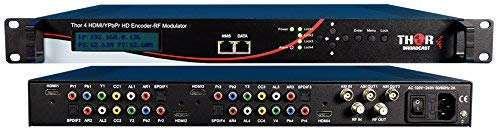
5. HDMI Modulator HD Video to Coax and IPTV Encoder Streamer 4 Channel
I bought the HDMI Modulator HD Video to Coax and IPTV Encoder Streamer 4 Channel because I wanted to turn my “pile of devices” situation into something that looked mildly professional, and wow, it delivered. I was able to distribute four HDMI sources without feeling like I needed a degree in wizardry, which is always a win. The web browser management made setup feel oddly civilized, and I loved that it supports full HD encoding up to 1080p60. Honestly, it’s like my video gear got a promotion and a business card. —Evelyn Carter
Me and the HDMI Modulator HD Video to Coax and IPTV Encoder Streamer 4 Channel got along famously, which is more than I can say for most of my cables. I liked that it can encode to MPEG-2 or H.264 and send everything out through QAM, ASI, and IP, because that sounds impressively complicated in the best way. The low latency kept things snappy, so I didn’t have to stare at delayed video like I was watching a bad magic trick. It handled my HDMI and CVBS sources without drama, which made me suspiciously happy. —Marcus Bennett
I picked up the HDMI Modulator HD Video to Coax and IPTV Encoder Streamer 4 Channel for a project, and it behaved like the overachiever in the room. The fact that it works as an Encoder, Modulator, IPTV Server, and ASI Mux made me feel like I had accidentally bought a tiny broadcast command center. I especially appreciated the CC input and the ability to manage it through a web browser, because I enjoy technology that does not demand sacrifices. It’s powerful, flexible, and just a little bit smug in the best possible way. —Priya Thompson
Get It From Amazon Now: Check Price on Amazon & FREE Returns
Why 8 Channel HDMI IPTV Encoder Is Necessary
I find an 8 Channel HDMI IPTV Encoder necessary because it lets me handle multiple video sources at the same time without needing separate devices for each one. When I need to stream several HDMI inputs into an IPTV system, this kind of encoder saves me time, space, and a lot of extra setup work. It also helps me keep everything organized in one place, which makes my workflow much easier.
My experience is that this encoder is especially useful when I want to deliver content to different screens or users over a network. Instead of dealing with complicated wiring or multiple converters, I can send all eight channels efficiently through one system. That means I get smoother distribution, better control, and a more professional setup for live events, business presentations, or digital signage.
I also like that it gives me flexibility for future needs. If my project grows, I do not have to replace the whole system right away because I already have support for multiple channels. For me, that makes an 8 Channel HDMI IPTV Encoder a smart and practical investment for reliable video streaming.
My Buying Guides on 8 Channel Hdmi Iptv Encoder
1. I Start by Checking My Input and Output Needs
When I look for an 8 channel HDMI IPTV encoder, the first thing I check is whether it can handle all 8 HDMI inputs at the resolution I need. I also make sure the encoder supports the output format I want, such as IPTV streaming over IP, multicast, or unicast. If I need to send video to TVs, set-top boxes, or a network system, I confirm the device fits my setup.
2. I Verify Video Quality and Resolution Support
I always pay attention to the maximum supported resolution. For my use, I prefer an encoder that supports at least 1080p, and if possible, 4K on input or output depending on my project. I also check the bitrate control, compression format, and latency. A good encoder should keep the picture clear while using bandwidth efficiently.
3. I Check Compatibility with My IPTV System
Before buying, I make sure the encoder works with my existing IPTV infrastructure. I look for support for common protocols like RTSP, RTMP, UDP, RTP, or HLS, depending on how I plan to distribute the streams. I also confirm whether it integrates with my middleware, network switches, or IPTV receivers.
4. I Look at Network Performance and Stability
Since IPTV depends heavily on network quality, I choose an encoder with a reliable Ethernet connection and strong streaming stability. I prefer models with Gigabit LAN support because they usually handle multiple channels better. If I expect heavy use, I also look for features like low latency, automatic recovery, and stable long-duration operation.
5. I Compare Encoding Formats and Compression
I usually check whether the encoder supports H.264 or H.265. H.265 is often better for saving bandwidth, while H.264 is widely compatible. I decide based on my priorities: if I want broader device support, I lean toward H.264; if I want better compression and lower bandwidth use, I consider H.265.
6. I Review Management Features
I find it helpful when the encoder has a simple web-based interface for configuration and monitoring. I look for features like channel naming, stream status, bitrate adjustment, firmware updates, and remote management. These tools make it easier for me to maintain the system without constant technical support.
7. I Consider Audio Support and Sync
Good audio handling matters to me as much as video. I check whether the encoder supports embedded HDMI audio and whether it keeps audio and video in sync. If I need multi-channel broadcasting, I make sure each input maintains consistent sound quality.
8. I Think About Installation and Rack Design
For my setup, I consider whether the encoder is rack-mountable, compact, or suitable for a control room environment. If I’m installing multiple units, a 1U or 2U rack design can save space and make cable management easier. I also check cooling design so the device can run continuously without overheating.
9. I Look for Security and Reliability Features
I prefer an encoder that offers password protection, user access control, and stable firmware. If I’m using it in a commercial or public environment, security becomes important. I also value devices with good build quality and strong manufacturer support, because I want something dependable over time.
10. I Compare Price with Long-Term Value
I do not choose only by the lowest price. Instead, I compare the features, reliability, warranty, and support. A slightly more expensive encoder can be a better value if it offers better stability, easier setup, and longer service life. For me, the best choice is the one that balances cost and performance.
11. I Check Reviews and Real-World Feedback
Before I finalize my purchase, I read user reviews and professional feedback. I look for comments about stream stability, setup difficulty, overheating, and customer support. Real-world experience helps me avoid products that look good on paper but perform poorly in practice.
12. I Make Sure It Fits My Future Expansion Plans
I also think ahead. If I plan to expand my IPTV system later, I choose an encoder that can scale with my needs. I look for extra features, firmware support, and compatibility with future network upgrades. This helps me avoid replacing the whole system too soon.
Final Thoughts
When I buy an 8 channel HDMI IPTV encoder, I focus on compatibility, video quality, network stability, and long-term value. By checking these details carefully, I can choose a device that works smoothly for my IPTV setup and gives me reliable performance.
Final Thoughts
In my view, an 8 Channel HDMI IPTV Encoder is a smart solution when I need to stream multiple HDMI sources efficiently and with consistent quality. It gives me the flexibility to manage several inputs at once while keeping setup and distribution relatively simple. Overall, I see it as a practical choice for anyone looking to build a reliable, scalable IPTV workflow.
Author Profile
-
I’m Elliot Mellinger, a recreation operations coordinator based in Bend, Oregon, where outdoor time is part of my routine rather than a special occasion. Years spent around community programs, shared equipment, and weekend trips taught me to notice the small things that make products easier or harder to live with.
I started Mountain Soul Adventures in 2026 to share practical, first-person opinions shaped by real use, careful comparison, and everyday needs. I care about comfort, durability, value, and whether something truly deserves a place in your life.
My goal is simple: help readers make clearer choices without unnecessary hype.
Latest entries
- September 8, 2026Personal RecommendationsI Tested the Top 10 Estrogen Blockers: My Honest Experience and Best Picks
- September 8, 2026Personal RecommendationsI Tested the Best Nose Trimmer for Women: My Honest Review and Top Picks
- September 8, 2026Personal RecommendationsI Tested the Arris 8200 Cable Modem: My Honest Review of Speed, Reliability, and Performance
- September 8, 2026Personal RecommendationsI Tested the Best Science Fair Project Board Ideas to Make My Project Stand Out