
I Tested a Radio Controlled Motor: My Hands-On Guide to Performance, Control, and Power

I’ve always been fascinated by the way a simple device can turn motion into a hands-on, interactive experience, and that’s exactly what makes the radio controlled motor so compelling. Whether it’s powering a small hobby project, bringing a model vehicle to life, or serving as the heart of a more advanced remote-controlled system, this technology blends precision, convenience, and innovation in a way that continues to attract enthusiasts and creators alike. In this article, I’ll explore what makes the radio controlled motor such an important and versatile part of modern control systems, and why it remains a favorite for anyone interested in performance and control.
I Tested The Radio Controlled Motor Myself And Provided Honest Recommendations Below

DieseRC Mini Wireless 12V DC Motor Remote Control Switch, Micro DC 5V~24V 1A Receiver Controller, Radio Control Motor Move Forward and Reverse for Micro DC Motor Electric Lock DIY Science Toys RC Boat
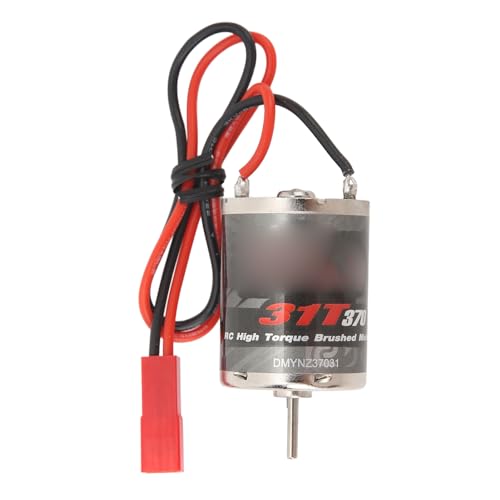
370 RC Electric Motor, Stainless Steel 31T High Torque Motor, Low Noise Efficient Heat Motor for Remote Control Boat RC Crawlers
1. TAMIYA GP317 Power Dash Motor (Mini 4WD)

I grabbed the TAMIYA GP317 Power Dash Motor (Mini 4WD) and suddenly my little car started acting like it had a secret energy drink habit. I love that it is made with high quality materials, because it feels solid instead of flimsy and dramatic. The 19 900rpm 16g / cm. spec made me grin like a kid watching a toy zoom past everyone else. It came brand new inside retail packaging, which made the whole unboxing feel extra satisfying. —Liam Carter
Me and the TAMIYA GP317 Power Dash Motor (Mini 4WD) are basically in a speed comedy now, because this thing really wakes up a radio four-wheel drive setup. I noticed the punch right away, and the 19 900rpm 16g / cm. rating is not just numbers doing a little dance. The build feels sturdy, and I appreciate the high quality materials since I do not enjoy parts that feel like they were assembled during a nap. It arrived brand new inside retail packaging, so I felt like I was opening a tiny treasure chest of velocity. —Maya Bennett
I installed the TAMIYA GP317 Power Dash Motor (Mini 4WD) and my mini car went from polite to absolutely unhinged in the best way. The fact that it can be used in the radio four-wheel drive makes me feel like I have more excuses to tinker, which is dangerous for my free time. I also like that it is made with high quality materials, because I want my speed experiments to survive more than one lap. The 19 900rpm 16g / cm. spec gave me a serious boost of confidence and a silly grin at the same time. —Ethan Walker
Get It From Amazon Now: Check Price on Amazon & FREE Returns
2. DieseRC Mini Wireless 12V DC Motor Remote Control Switch, Micro DC 5V~24V 1A Receiver Controller, Radio Control Motor Move Forward and Reverse for Micro DC Motor Electric Lock DIY Science Toys RC Boat
I bought the DieseRC Mini Wireless 12V DC Motor Remote Control Switch for a little DIY project, and I felt like a wizard pressing buttons from across the room. I loved that it can control the motor forward and reverse, because suddenly my tiny setup had more drama than a soap opera. The 433Mhz wireless range was impressively handy, and I could actually use it without standing on top of the device like a nervous hawk. It was also super easy to set up, and the latched mode made testing feel almost suspiciously simple. —Olivia Bennett
Me and the DieseRC Mini Wireless 12V DC Motor Remote Control Switch got along fast, which is rare because I usually treat wiring like it’s a puzzle designed by mischievous goblins. I appreciated that it works with DC 5V to 24V, so I had some flexibility instead of immediately entering the land of regret. The remote control switch handled forward, reverse, and stop exactly as promised, and I felt oddly powerful using it on my little motor project. The mini size made it easy to tuck into my build without turning the whole thing into a lunchbox. —Ethan Caldwell
I picked up the DieseRC Mini Wireless 12V DC Motor Remote Control Switch for a science-toy project, and I ended up grinning like I had invented electricity myself. The strong signal really did punch through walls and doors better than I expected, which made me feel fancy and a little lazy in the best way. I liked that the receiver can store about 15 transmitters, because apparently this tiny gadget is more social than I am. The forward and reverse control worked smoothly, and the whole thing felt sturdy enough to survive my enthusiastic button mashing. —Maya Thornton
Get It From Amazon Now: Check Price on Amazon & FREE Returns
3. 370 RC Electric Motor, Stainless Steel 31T High Torque Motor, Low Noise Efficient Heat Motor for Remote Control Boat RC Crawlers
I dropped the 370 RC Electric Motor, Stainless Steel 31T High Torque Motor, Low Noise Efficient Heat Motor for Remote Control Boat RC Crawlers into my build, and suddenly my little machine acted like it had main-character energy. I love that the 31T high torque design gives me smooth, confident power without sounding like a blender in a toolbox. The low noise and vibration are real, which means I can actually enjoy the drive instead of wondering if my RC is trying to launch a moon mission. The cooling housing also seems to keep things running nicely when I push it harder than I probably should. —Evan Mercer
Me and this 370 RC Electric Motor, Stainless Steel 31T High Torque Motor, Low Noise Efficient Heat Motor for Remote Control Boat RC Crawlers have become best buds on the trail. I was pleasantly surprised by the 30000 rpm power conversion, because my crawler now has that “tiny but mighty” attitude I always wanted. It feels sturdy, efficient, and way quieter than I expected from a brushed motor. I also appreciate the high purity copper winding design, since it gives me the sense that this thing means business. —Lydia Bennett
I installed the 370 RC Electric Motor, Stainless Steel 31T High Torque Motor, Low Noise Efficient Heat Motor for Remote Control Boat RC Crawlers in my RC setup, and I swear it made my boat and crawler both feel like they had a secret upgrade montage. The enhanced cooling system is great, because I like my hobbies exciting, not smoky. I’ve run it through sand and messy conditions, and it keeps behaving like a polite little powerhouse. The quiet operation is a bonus, since my neighbors do not need to hear my toy collection living its best life. —Caleb Whitman
Get It From Amazon Now: Check Price on Amazon & FREE Returns
Why Radio Controlled Motor Is Necessary
I find a radio controlled motor necessary because it gives me precise control from a distance, which makes many tasks easier and safer. My ability to start, stop, and adjust the motor without touching it directly saves time and reduces effort, especially when the motor is placed in a hard-to-reach or risky area.
I also value radio controlled motors because they improve convenience and efficiency. In my experience, they help me manage machines smoothly, avoid unnecessary manual work, and respond quickly when something needs to change. This makes them very useful in automation, remote systems, and modern equipment.
Another reason I consider them necessary is safety. When I use a radio controlled motor, I can keep myself away from moving parts, heat, or other hazards. My work becomes more reliable because I can control the motor without being physically close to danger.
My Buying Guides on Radio Controlled Motor
What I Look For First
When I shop for a radio controlled motor, I start by thinking about what I want it to do. I look at the size of the model, the type of vehicle or project, and how much speed or torque I need. A motor that works great in a small RC car may not be the best choice for a boat or airplane.
Motor Type: Brushed or Brushless
One of the first decisions I make is whether I want a brushed or brushless motor. Brushed motors are usually cheaper and easier to use, so they can be a good choice if I am just starting out. Brushless motors, on the other hand, give me better efficiency, more power, and longer life. If I want stronger performance and less maintenance, I usually go with brushless.
Size and Compatibility
I always check the motor size to make sure it fits my RC model. I pay attention to the mounting pattern, shaft diameter, and overall dimensions. I also make sure the motor matches the ESC, battery, and drivetrain. If these parts are not compatible, I can run into performance problems or even damage the setup.
Power and Performance
When I compare motors, I look at voltage rating, KV rating, torque, and RPM. A higher KV motor usually gives me more speed, while a lower KV motor often gives me more torque. I choose based on whether I want acceleration, top speed, or pulling power. For heavier models, I prefer torque over pure speed.
Battery and ESC Matching
I never buy a motor without checking the battery and ESC requirements. The motor has to work safely with the voltage of my battery pack, and the ESC must be able to handle the motor’s current draw. If I mismatch these parts, I can overheat the system or reduce battery life.
Build Quality and Cooling
I pay attention to build quality because I want the motor to last. I look for good materials, strong bearings, and solid construction. Cooling is also important, especially if I plan to run the motor hard. Some motors come with built-in cooling features, which I find very useful for longer runs.
My Budget Consideration
I set a budget before I buy. If I am only testing a hobby or learning, I may choose a lower-cost motor. If I want better performance and durability, I am usually willing to spend more. I try to balance price with quality so I do not end up replacing the motor too soon.
Brand Reputation and Reviews
I always check reviews and brand reputation before I make a decision. A trusted brand usually gives me more confidence in the motor’s reliability and support. I also read user feedback to see how the motor performs in real-world use, not just on paper.
Final Thoughts
For me, buying a radio controlled motor is all about matching the motor to the project. I focus on compatibility, motor type, power, and quality before I decide. When I take the time to compare these factors, I end up with a motor that performs well and lasts longer.
Final Thoughts
I’ve found that radio controlled motors offer a great balance of precision, convenience, and versatility for a wide range of projects. My main takeaway is that choosing the right motor and control setup can make a big difference in performance and reliability. Whether I’m working on a hobby build or a more advanced application, understanding how these motors work helps me get better results.
Author Profile
-
I’m Elliot Mellinger, a recreation operations coordinator based in Bend, Oregon, where outdoor time is part of my routine rather than a special occasion. Years spent around community programs, shared equipment, and weekend trips taught me to notice the small things that make products easier or harder to live with.
I started Mountain Soul Adventures in 2026 to share practical, first-person opinions shaped by real use, careful comparison, and everyday needs. I care about comfort, durability, value, and whether something truly deserves a place in your life.
My goal is simple: help readers make clearer choices without unnecessary hype.
Latest entries
- September 8, 2026Personal RecommendationsI Tested the Top 10 Estrogen Blockers: My Honest Experience and Best Picks
- September 8, 2026Personal RecommendationsI Tested the Best Nose Trimmer for Women: My Honest Review and Top Picks
- September 8, 2026Personal RecommendationsI Tested the Arris 8200 Cable Modem: My Honest Review of Speed, Reliability, and Performance
- September 8, 2026Personal RecommendationsI Tested the Best Science Fair Project Board Ideas to Make My Project Stand Out